
*A note on reading this blog post*
This post is about looking after your heart not just because it’s a good idea – it is! – but in particular because many breast cancer treatments can increase the risk of cardiovascular problems. The logical order for this post would be to start by explaining which treatments affect the heart and how they do so. Then nutrition recommendations for mitigating those adverse effects would follow and would make sense.
However, I know from my own experience that it can be quite triggering to read an explanation of the adverse effects of treatment, so I have reversed the order. The nutrition discussion, which is what I presume you want to read, comes first, and an explanation of how treatments adversely affect the cardiovascular system is at the end, should you wish to read it. It might make less sense this way, but I hope it means that you can avoid any unpleasant reminders of treatment if you wish to.
Now, on with the blog…
I’m fairly sure that nobody wants to go through treatment for breast cancer only to end up with poor heart health years later as a result. Many breast cancer treatments result in an increased risk of cardiovascular disease, sometimes many years later, yet it’s my experience that oncologists rarely broach the subject of looking after your heart and blood vessels (unless of course the patient already has a heart problem or has developed overt problems during treatment). This is an area in which nutrition and lifestyle medicine can really be used proactively in trying to mitigate issues caused by treatment and prevent cardiovascular events.
There are a number of factors associated with good heart health which we can support with nutrition.
Nutrients for Your Mitochondria
Energy is produced in organelles within our cells called mitochondria. You may have heard them referred to as the “powerhouses of the cell”. Heart muscles require a lot of energy to continually pump blood around the body, so they have a very high concentration of mitochondria. The mitochondria rely on a range of micronutrients to produce energy. Deficiency of these is common in people with heart failure, and it is thought that ensuring that there is enough of them could help improve energy production(1). The micronutrients required include:
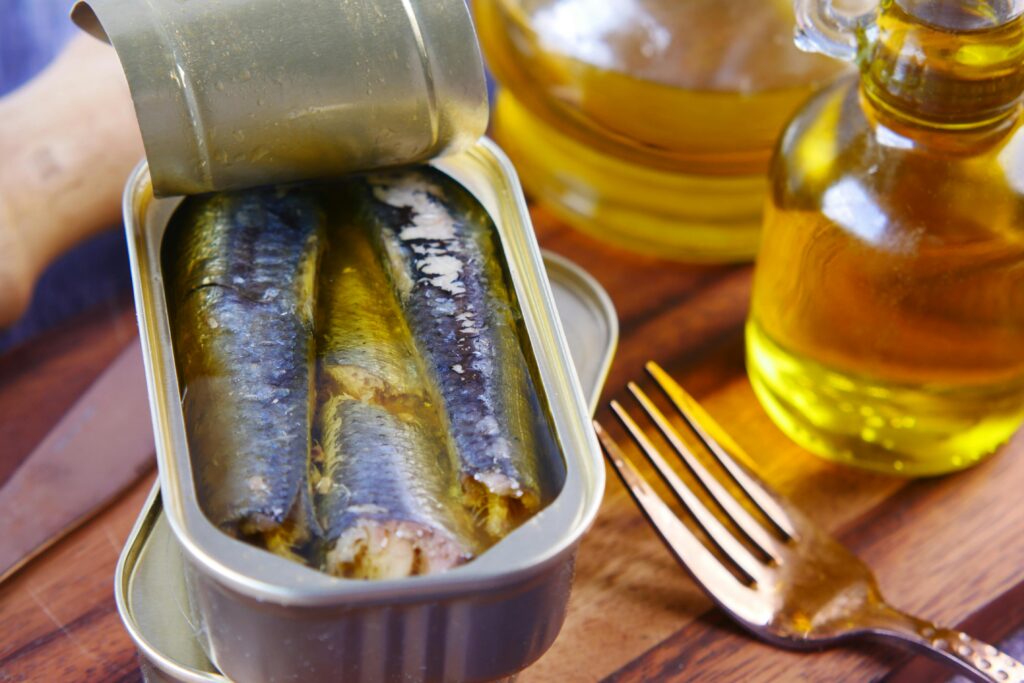
- Coenzyme Q10, found in meat, poultry, fish, soy and nuts
- Iron, found in meat (especially organ meat), poultry, dark green leafy vegetables, seeds, beans
- Zinc, found in oysters, poultry, liver, pumpkin seeds, cashew nuts, fresh ginger, whole grains
- Selenium – the most reliable source is Brazil nuts, but it is also found in seafood
- Magnesium, found in green vegetables, legumes, nuts and seeds, whole grains and soy
- Omega 3 fatty acids, from oily fish
Unless you are working under the guidance of a practitioner, it is best to obtain these micronutrients from a varied wholefood diet rather than from supplementation. This is especially true during active treatment. For example, although coenzyme Q10 taken during anthracycline chemotherapy has been shown to reduce cardiotoxicity caused by it(2), there is also evidence to suggest that taking coenzyme Q10 supplements during chemotherapy is associated with an increased risk of recurrence(3). It pays to err on the side of caution and only use supplements with expert advice.
Reducing Oxidative Stress
Treatments such as chemotherapy and Herceptin cause oxidative stress. This is an unbalanced state in the body in which there are too many unstable molecules which can cause damage to tissues such as the heart. The good news is that the unstable molecules which lead to oxidative stress can be neutralised by antioxidants in food.
Heart-friendly antioxidants in food include:
- Carotenoids: found in orange vegetables such as carrots and squashes, in tomatoes, kale, and in salmon
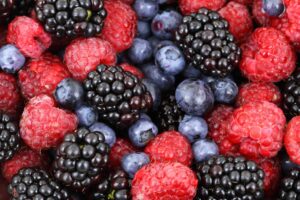
- Polyphenols: a diverse group of antioxidants found in a wide range of plants including herbs, spices, fruits (especially berries), vegetables, green and black tea, and cacao
Reducing Blood Pressure
Hypertension (high blood pressure) is a risk factor for cardiovascular events and so it is important to intervene to normalise it whenever possible. As well as being affected directly by certain treatments, weight gain and menopause caused by treatment can also contribute to rising blood pressure.
To keep blood pressure normal, it is fundamentally important to stay well hydrated! This may seem counterintuitive if you have ever heard that people with low blood pressure should drink more to raise it. However, if the brain senses dehydration, it will send signals out to try to hold onto water. This results in constricted blood vessels which increases blood pressure. Staying well hydrated is a simple but often overlooked step!

Beyond hydration, beetroot is an important food for lowering blood pressure. It contains compounds called nitrates which convert into nitric oxide in the body and dilate blood vessels. Studies have shown that drinking beetroot juice daily can lower systolic blood pressure(4, 5).
Normalising Blood Lipids
Nutrition to manage high cholesterol and/or triglycerides really deserves a blog post all to itself! A wide variety of issues can be at the root of high blood lipids: excess calorie intake, poor blood glucose control, and an overloaded liver can all be involved, to name but a few. As well as attending to these, increasing the amount of soluble fibre you consume (from foods such as chia seeds, flaxseeds, okra, oats, psyllium husk, oranges) can help bind to excess cholesterol and remove it from the body.
Dietary Patterns That Improve Heart Health After Breast Cancer
Although we have had a look at specific foods and nutrients which have particular actions in protecting the heart and cardiovascular system after breast cancer, it is always important to think of your diet as a whole. One or two added foods may be helpful, but they cannot “outrun” the effects of whole dietary patterns.
A large prospective cohort study of over 3000 women who had been diagnosed with breast cancer found that the risks of developing any cardiometabolic condition were related to diet quality, with risk reductions of up to 30% possible in those with the healthiest diets compared with the least healthy(6).
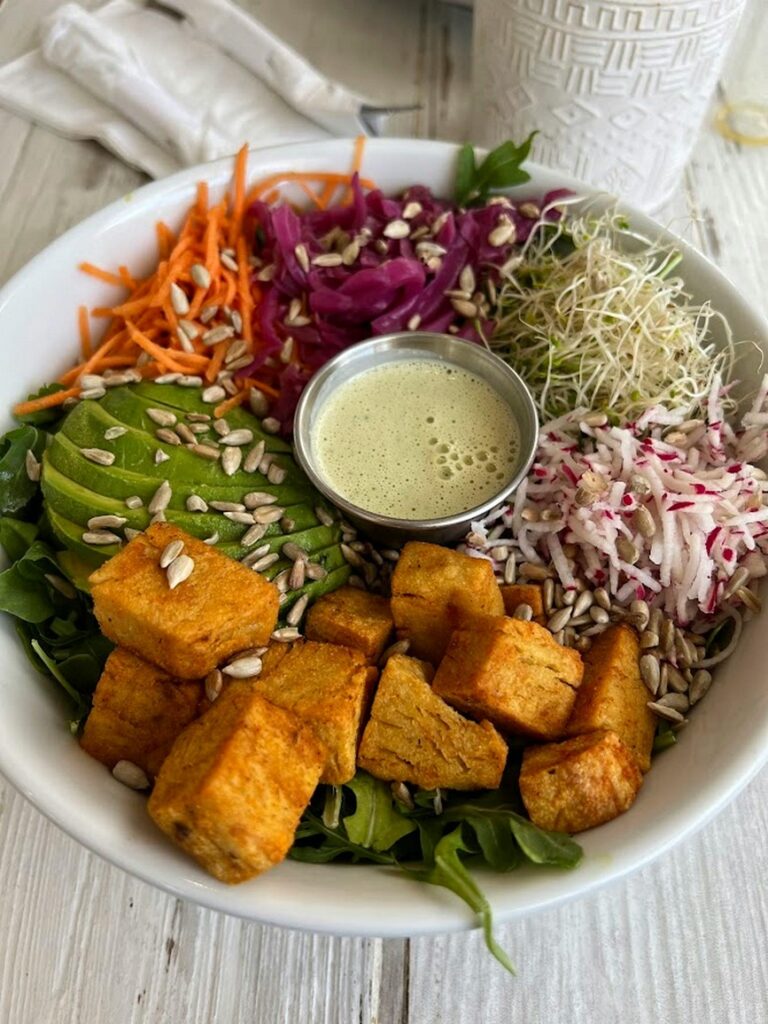
The right diet for you depends on your individual risk factors. The Mediterranean Diet is a good starting point as it is rich in antioxidants and nutrients which support mitochondrial health and the health of blood vessels. There are also specific dietary patterns which have been found to be helpful in managing hypertension and normalising blood lipids(7, 8).
For individualised support on the right nutrition for you that takes your risk factors into account, do contact me for support. I can also advise on when safe supplementation can be helpful.
Finally…
This blog has only addressed nutrition. Don’t forget that exercise, sleep and stress management all have vital roles to play in keeping you in good cardiovascular health.
The takeaway message is that whilst the effects of past breast cancer treatment on the cardiovascular system are out of our control, there are plenty of other ways to reduce your risk.
Trigger warning: information on how breast cancer treatments result in increased cardiovascular disease risk follows, for those who wish to read it.
Breast Cancer Treatments Which Increase Cardiovascular Disease Risk
Although there are quite a few breast cancer treatments known to increase cardiovascular disease risk, it is important to be aware that the actual risk will also be affected by factors unrelated to treatment. These could include age, body weight, pre-existing cardiovascular disease and the presence of other health conditions such as diabetes and hypertension(9).
Anthracycline chemotherapies, such as doxorubicin and epirubicin, are widely used in breast cancer, often in combination with other drugs. AC chemo includes doxorubicin, and FEC includes epirubicin. Anthracyclines have particular heart toxicities because they damage the mitochondria, increase oxidative stress and can also disrupt iron metabolism.
Herceptin’s mechanism of action as a breast cancer treatment depends on it binding to HER2 receptors. However, cardiac cells also have HER2 receptors, and HER2 signalling is important for the survival of cardiac cells under stress. By blocking cardiac cell HER2 signalling, Herceptin results in an increased buildup of oxidative stress in these cells, causing some cell death(10).
Recent advances in radiotherapy techniques have meant that the heart is less likely to be damaged than it used to be. However, for those women who had radiotherapy many years ago, particularly for left-sided breast cancer, there is still a risk as cardiovascular effects can emerge many years after treatment(11).
Whilst endocrine treatments do not cause such direct toxicity to the heart, they are not completely without risk. Tamoxifen increases the risk of thromboembolism (such as DVTs), whilst Fulvestrant can increase blood pressure due to its anti-oestrogenic action. By reducing circulating oestrogen levels, aromatase inhibitors such as letrozole, anastrozole and exemestane can also result in increased blood pressure, cholesterol and triglycerides, which can result in a slight increase in cardiovascular events(9).
References
- Bomer, N., Pavez-Giani, M.G., Beverborg, G. et al. (2022). ‘Micronutrient deficiencies in heart failure: Mitochondrial dysfunction as a common pathophysiological mechanism?’, Journal of Internal Medicine, 291(6), 713-731. Available at https://pmc.ncbi.nlm.nih.gov/articles/PMC9303299/
- Iarussi, D., Auricchio, U., Agretto, A. et al. (1994). ‘Protective effect of coenzyme Q10 on anthracyclines cardiotoxicity: control study in children with acute lymphoblastic leukemia and non-Hodgkin lymphoma’, Molecular Aspects of Medicine, 1994:15, s207-212. Available at https://pubmed.ncbi.nlm.nih.gov/7752832/
- Ambrosone, C.B., Zirpoli, G.R., Hutson, A.D. et al. (2020). ‘Dietary Supplement Use During Chemotherapy and Survival Outcomes of Patients With Breast Cancer Enrolled in a Cooperative Group ClinicalTrial (SWOG S0221)’, Journal of Clinical Oncology, 38(8), 804-814. Available at https://pmc.ncbi.nlm.nih.gov/articles/PMC7062457/
- Grönroos, R., Eggertsen, R., Bernardsson, S. et al. (2024). ‘Effects of beetroot juice on blood pressure in hypertension according to European Society of Hypertension Guidelines: A systematic review and meta-analysis’, Nutrition, Metabolism, and Cardiovascular Diseases, 34(10), 2240-2256. Available at https://www.nmcd-journal.com/article/S0939-4753(24)00236-9/fulltext
- Benjamin, C.J.R., Porto, A.A., Valenti, V.E. et al. (2022). ‘Nitrate Derived From Beetroot Juice Lowers Blood Pressure in Patients With Arterial Hypertension: A Systematic Review and Meta-Analysis’, Frontiers in Nutrition, Mar 15;9:823039. Available at https://pmc.ncbi.nlm.nih.gov/articles/PMC8965354/
- Ergas, I.J., Cheng, R.K., Roh, J.M et al. (2025). ‘Diet quality and cardiometabolic health in breast cancer survivors: the Pathways Study’, Breast Cancer Research and Treatment, 211(1), 139-150. Available at https://pmc.ncbi.nlm.nih.gov/articles/PMC11952977/
- Filippou, C.D., Tsioufis, C.P., Thomopoulos, C.G. et al. (2020). ‘Dietary Approaches to Stop Hypertension (DASH) Diet and Blood Pressure Reduction in Adults with and without Hypertension: A Systematic Review and Meta-Analysis of Randomized Controlled Trials’, Advances in Nutrition, 11(5), 1150-1160. Available at https://pmc.ncbi.nlm.nih.gov/articles/PMC7490167/
- Chiavaroli, L., Nishi, S.K., Khan, T.A. et al. (2018). ‘Portfolio Dietary Pattern and Cardiovascular Disease: A Systematic Review and Meta-analysis of Controlled Trials’, Progress in Cardiovascular Diseases, 61(1), 43-53. Available at https://www.sciencedirect.com/science/article/pii/S003306201830094X?via%3Dihub
- López-Fernández, T., Marco, I. Aznar, M.C. et al. (2024). ‘Breast cancer and cardiovascular health’, European Heart Journal, 45(41), 4366-4382. Available at https://academic.oup.com/eurheartj/article/45/41/4366/7775367
- Zeglinski, M., Ludke, A., Jassal, D.S. et al. (2011). ‘Trastuzumab-induced cardiac dysfunction: A ‘dual-hit’’, Experimental & Clinical Cardiology, 16(3), 70-74. Available at https://pmc.ncbi.nlm.nih.gov/articles/PMC3209542
- Mitchell, J.D., Cehic, D.A., Morgia, M. et al. (2021). ‘Cardiovascular Manifestations From Therapeutic Radiation: A Multidisciplinary Expert Consensus Statement From the International Cardio-Oncology Society’, JACC CardioOncology, 3(3), 360-380. Available at https://pmc.ncbi.nlm.nih.gov/articles/PMC3209542